How to Plan a Budget Trip
Published: 1 Jul 2026
Traveling doesn’t have to be expensive. With the right planning, you can explore new destinations, enjoy memorable experiences, and stay within your budget. In fact, many experienced travelers spend less money by planning carefully rather than making last-minute decisions.
Whether you’re planning a weekend getaway, a family vacation, a solo adventure, or an international trip, knowing how to plan a budget trip can help you save money without sacrificing comfort or fun. From choosing affordable destinations and finding cheap flights to booking budget-friendly accommodation and managing daily expenses, every decision can make a difference.
In this guide, you’ll learn practical budget travel strategies, money-saving tips, and step-by-step planning techniques to help you travel smarter in 2026.
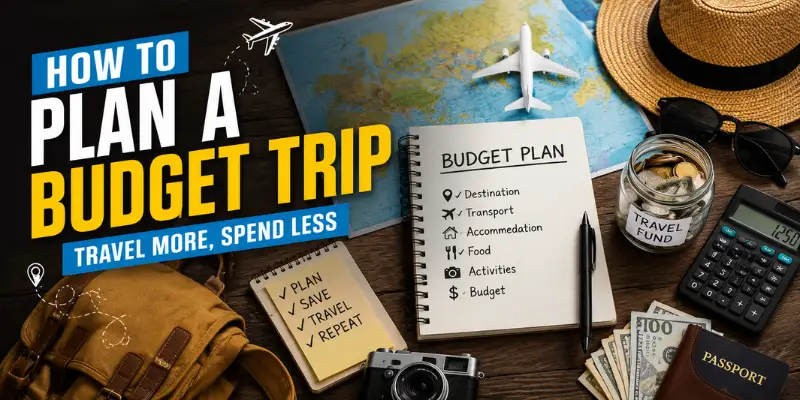
What Is a Budget Trip?
A budget trip is a vacation planned with a specific spending limit in mind. The goal is to reduce unnecessary expenses while still enjoying the destination and creating meaningful travel experiences.
Budget travel does not mean choosing the cheapest option for everything. Instead, it means spending wisely, prioritizing experiences, and finding the best value for your money.
Benefits of Budget Travel
Some advantages of budget travel include:
- Travel more often without overspending.
- Reduce financial stress during your trip.
- Discover local experiences instead of expensive tourist traps.
- Stretch your travel budget further.
- Build smarter money-management habits.
Budget Trip Planning Checklist
Before booking:
- Set your total travel budget.
- Choose a destination.
- Research travel costs.
- Compare transportation options.
- Create a savings plan.
Before departure:
- Confirm reservations.
- Purchase travel insurance.
- Prepare travel documents.
- Download useful travel apps.
- Notify your bank if traveling internationally.
During the trip:
- Track daily spending.
- Use public transportation when possible.
- Stick to your budget.
- Keep emergency funds available.
- Save digital copies of important documents.
Set Your Travel Budget First
Before booking anything, determine how much money you can realistically spend on your trip.
Start by calculating your total travel budget and then divide it into categories.
Typical travel expenses include:
- Transportation
- Accommodation
- Food and drinks
- Attractions and activities
- Travel insurance
- Shopping and souvenirs
- Emergency expenses
Having a clear spending plan helps prevent unexpected costs later.
Create a Daily Spending Limit
Once you know your total budget, divide it by the number of travel days.
For example:
- Total budget: $1,000
- Trip length: 5 days
- Daily budget: $200
This simple method helps you monitor expenses and avoid overspending.
Choose an Affordable Destination
Your destination has the biggest impact on your travel budget.
Some destinations naturally cost less than others because of lower accommodation, food, and transportation costs.
Consider Budget-Friendly Destinations
Instead of focusing only on popular tourist hotspots, look for destinations that offer good value.
Examples include:
- Smaller cities instead of major capitals
- Emerging tourist destinations
- Domestic travel options
- Nearby countries with lower costs
Travel During the Off-Season
One of the easiest ways to save money is by traveling when fewer tourists visit.
Benefits of off-season travel include:
- Lower hotel prices
- Cheaper flights
- Fewer crowds
- Better availability
- More authentic local experiences
Many destinations offer significant discounts outside peak travel periods.
Find Cheap Flights and Transportation
Transportation often takes a large portion of a travel budget.
Compare Flight Prices
Use multiple flight comparison platforms before booking. Prices can vary depending on the website, booking date, and airline.
Helpful strategies include:
- Comparing several travel websites
- Setting fare alerts
- Being flexible with travel dates
- Checking nearby airports
- Booking in advance when possible
Consider alternative transportation.
Depending on the destination, buses, trains, and ridesharing services may cost much less than flights.
Budget travelers often save money by:
- Taking overnight buses
- Using regional trains
- Sharing transportation costs with friends
- Using public transportation instead of taxis
Book Budget-Friendly Accommodation
Accommodation is usually one of the largest travel expenses.
Fortunately, travelers now have many affordable lodging options.
Accommodation Options for Budget Travelers
Popular choices include:
- Budget hotels
- Hostels
- Guesthouses
- Vacation rentals
- Homestays
- Camping sites
Each option offers different levels of comfort and pricing.
Tips for Finding Accommodation Deals
- Book early when possible.
- Compare prices across multiple platforms.
- Read recent guest reviews.
- Stay slightly outside major tourist areas.
- Check for free breakfast or included amenities.
A slightly cheaper hotel with free breakfast and transportation access may save more money overall than a centrally located expensive property.
Plan a Smart Daily Itinerary
A well-planned itinerary helps you save both time and money. Instead of making decisions at the last minute, research attractions and activities before your trip.
Prioritize Must-See Attractions
Make a list of attractions you truly want to visit. This helps you avoid spending money on activities that may not match your interests.
Mix Free and Paid Activities
Many destinations offer free experiences that are just as enjoyable as paid attractions.
Examples include:
- Public parks
- Beaches
- Museums with free admission days
- Walking tours
- Scenic viewpoints
- Local markets
Balancing free and paid activities can significantly reduce your overall travel expenses.
Avoid Tourist Traps
Popular tourist areas often charge higher prices for food, souvenirs, and activities. Explore neighborhoods outside the main tourist zones to find better value and more authentic experiences.
Save Money on Food While Traveling
Food can quickly become one of the biggest travel expenses if you are not careful.
Eat Like a Local
Local restaurants usually offer better prices and more authentic meals than tourist-focused establishments.
Visit Markets and Grocery Stores
Buying snacks, drinks, and simple meals from local stores can help reduce daily expenses.
Budget-friendly options include:
- Fresh fruit
- Sandwiches
- Local baked goods
- Ready-to-eat meals
- Bottled water
Limit Expensive Dining Experiences
Enjoying one special meal is fine, but eating at expensive restaurants every day can strain your budget.
A good strategy is to combine casual meals with one or two memorable dining experiences during your trip.
Use Travel Apps to Reduce Costs
Travel apps can help you compare prices, track expenses, and find discounts.
Useful travel app categories include:
- Flight Booking Apps: For comparing airline prices and setting fare alerts.
- Accommodation Apps: For finding hotels, hostels, and vacation rentals.
- Navigation Apps: For public transportation routes and walking directions.
- Budget Tracking Apps: For monitoring daily spending and staying within your budget.
Using the right apps can save both money and time throughout your trip.
Create an Emergency Travel Fund
Unexpected expenses can happen even during the best-planned vacations.
Examples include:
- Medical emergencies
- Flight delays
- Lost luggage
- Transportation changes
- Unexpected accommodation costs
Setting aside an emergency fund provides peace of mind and helps avoid financial stress.
How Much Emergency Money Should You Have?
Many travelers set aside approximately 10% to 20% of their total trip budget for emergencies.
The exact amount depends on your destination, travel style, and trip length.
Pack Smart and Avoid Extra Costs
Packing efficiently can help you avoid baggage fees and unnecessary purchases during your trip.
Budget Travel Packing Essentials
Consider bringing:
- Travel documents
- Phone charger and power bank
- Reusable water bottle
- Comfortable walking shoes
- Weather-appropriate clothing
- Basic medications
- Travel adapter if needed
Pack Light
Traveling with fewer items often means:
- Lower baggage fees
- Easier transportation
- Less stress
- More flexibility
Many budget travelers successfully travel with only a carry-on bag.
Sample Budget Trip Planning Example
To better understand the process, here is a simple example.
Three-Day Budget Getaway
- Estimated Budget: $500
- Transportation: $150
- Accommodation: $180
- Food: $90
- Activities: $50
- Emergency Fund: $30
By allocating funds before departure, it becomes much easier to stay on track and avoid overspending.
Common Budget Travel Mistakes to Avoid
Even experienced travelers make mistakes that increase travel costs.
Booking Too Late
Last-minute bookings often result in higher prices for flights and hotels.
Ignoring Hidden Fees
Always check for:
- Resort fees
- Baggage charges
- Service fees
- Currency conversion fees
Overpacking
Extra baggage fees can quickly add unnecessary expenses.
Not Tracking Spending
Small purchases add up quickly. Keep track of your expenses throughout the trip.
Exchanging Money at Airports
Airport exchange counters often offer less favorable rates than banks or local exchange services.
Conclusion
This guide shows that learning how to plan a budget trip is not about cutting every expense—it’s about making smarter decisions. By setting a realistic budget, choosing affordable destinations, booking transportation wisely, and managing daily spending, you can enjoy meaningful travel experiences without overspending.
Whether you’re planning a short weekend getaway or a longer adventure, careful preparation can help you travel more often, reduce financial stress, and make the most of every dollar you spend. With the right strategy, budget travel can be both affordable and rewarding in 2026.
If you’re looking for more travel inspiration, be sure to explore our other travel guides for destination ideas, money-saving tips, and practical planning advice.
FAQs
The cheapest way to travel is often by using budget airlines, public transportation, hostels, guesthouses, and free attractions. Traveling during the off-season can also significantly reduce costs.
The amount depends on your destination, trip length, and travel style. A good approach is to estimate transportation, accommodation, food, activities, and emergency expenses before setting your final budget.



- Be Respectful
- Stay Relevant
- Stay Positive
- True Feedback
- Encourage Discussion
- Avoid Spamming
- No Fake News
- Don't Copy-Paste
- No Personal Attacks
- Be Respectful
- Stay Relevant
- Stay Positive
- True Feedback
- Encourage Discussion
- Avoid Spamming
- No Fake News
- Don't Copy-Paste
- No Personal Attacks
